
COPPER MINERALS · WHOLESALE EXPORT
Copper ore concentrate B2B wholesale export
Copper concentrate is beneficiated mineral feed containing copper, not refined copper metal. Souq Ore welcomes qualified wholesale enquiries for copper ore and concentrate lots, with purchase decisions governed by representative copper assay, moisture, mineralogy, payable metal and the receiving plant's requirements. A photograph is not a grade guarantee.
For smelters, mineral processors and qualified industrial commodity traders
AT A GLANCE
What does Souq Ore supply as copper ore & concentrate?
Copper concentrate is beneficiated mineral feed containing copper, not refined copper metal. Souq Ore welcomes qualified wholesale enquiries for copper ore and concentrate lots, with purchase decisions governed by representative copper assay, moisture, mineralogy, payable metal and the receiving plant's requirements. A photograph is not a grade guarantee.
| Origin | Mine, country and custody verified for each offered lot; no blanket origin claim |
|---|---|
| Buyer profile | For smelters, mineral processors and qualified industrial commodity traders |
| Tests and checks | Lot identity & mineral form · Total copper, dry basis · Moisture, WMT & DMT · Iron, sulphur & gangue · Penalty elements & credits · Particle size & packing · Transport safety & moisture limit · Payable copper & settlement |
| Lot documents | 6 document types per lot, released after KYC |
| Delivery gateways | Destination seaport or receiving plant agreed per shipment; airport codes are not bulk cargo routes |
| Commercial basis | Lot-specific, under signed contract after KYC and due diligence |
TECHNICAL CONTEXT
What is copper ore concentrate, and what is actually being bought?
Copper ore is mined rock containing copper-bearing minerals and gangue. Copper concentrate is an intermediate product in which processing has enriched valuable minerals and removed part of the gangue. Ore lumps, flotation concentrate, copper cathode and Millberry wire scrap are different products with different specifications and processing routes. The phrase copper ore concentrate must therefore be clarified before an offer can be compared.
Souq Ore's sourcing enquiry process starts with the buyer's plant specification, target quantity and destination. Any offered lot needs its own origin evidence, sampling plan, chemical results, moisture basis, commercial formula and shipment review. This page does not advertise a permanent copper percentage, mine ownership, minimum order, monthly capacity or ready-to-ship inventory.
SPECIFICATION FRAMEWORK
What is measured. How it is tested. What governs acceptance.
| Parameter | Test / inspection method | Acceptance basis |
|---|---|---|
| Lot identity & mineral form | Origin records, loading-unit register, representative inspection and mineralogical review where required | Declare ore lumps, fines or concentrate and the receiving plant's process route |
| Total copper, dry basis | Representative composite sample; validated wet chemistry, ICP or XRF method suitable for the matrix | Report elemental Cu, analytical method, dry basis and contractual assay tolerance |
| Moisture, WMT & DMT | Sealed representative moisture sample and agreed drying method; reconcile scale records | Dry mass = wet mass × (1 − moisture fraction); no payment for water as copper |
| Iron, sulphur & gangue | Multi-element assay and mineralogy or processing tests as agreed | Confirm feed compatibility, not just copper percentage |
| Penalty elements & credits | Buyer-agreed scope for As, Sb, Bi, Pb, Zn, Hg and any payable Au or Ag | Written limits, rejection thresholds, credit terms and penalties per contract |
| Particle size & packing | Size distribution, package weights, dust and handling review; loading photographs | Shipment-specific bags, containers or bulk plan; no fixed load capacity assumed |
| Transport safety & moisture limit | Cargo classification and IMSBC moisture/TML testing where applicable to solid bulk carriage | Actual cargo schedule, current certificates and carrier acceptance; TML is not universal |
| Payable copper & settlement | Accepted assay × dry mass reconciled with the written quotation formula | Quotational period, payability, TC/RC, penalties, freight and umpire mechanism agreed |
COPPER ORE & CONCENTRATE BUYER GUIDE
Copper concentrate buyer guide: chemistry, processing and commercial value
Key characteristics & composition
Copper-bearing minerals differ chemically and metallurgically. Chalcopyrite (CuFeS2) is a copper-iron sulphide; bornite (Cu5FeS4) and chalcocite (Cu2S) are other copper sulphides. Malachite, Cu2CO3(OH)2, and azurite, Cu3(CO3)2(OH)2, are copper carbonates associated with oxidized zones. These formulas describe mineral species, not the guaranteed composition of commercial ore.
A sulphide concentrate can contain copper minerals, iron, sulphur, residual silicate gangue and minor elements. Ore may carry both sulphide and oxidized copper. A total-Cu result alone cannot show how much copper a particular plant can recover. Buyers may need mineralogy, soluble-copper tests or metallurgical trials matched to their process.
- Assay basis: declare elemental Cu on a dry basis. Cu is not interchangeable with CuO or another oxide-equivalent percentage.
- Physical form: ore lumps and finely ground flotation concentrate require different sampling and handling plans.
- Quality risk: arsenic, antimony, bismuth and mercury may affect smelter acceptance; limits depend on the actual plant and contract.
Main uses: concentrate feed and refined copper applications
Copper concentrate is primarily an intermediate feed for compatible smelting and refining plants. Its downstream importance comes from recovered refined copper. Mineral concentrate is not installed directly in cables, electric motors, solar equipment or plumbing. Extraction and quality-controlled metal production come first.
- Electrical systems: refined copper's conductivity supports power cables, building wiring, motors, transformers and electronic components.
- Energy and transport: copper is used in grids, renewable-energy equipment, charging infrastructure and vehicle electrical systems.
- Thermal and construction products: heat exchangers, cooling equipment, tubing and selected architectural products use suitable copper grades.
- Alloys: copper is a principal constituent of brass and bronze; alloy producers require controlled metal feed rather than an unqualified ore parcel.
Production process: from mined ore to copper metal
For many sulphide deposits, mining is followed by crushing and grinding to liberate copper minerals. Flotation separates suitable sulphide minerals from much of the gangue using a controlled water-and-reagent circuit. Thickening and filtration prepare concentrate for handling. Recovery, particle size, reagent selection and final moisture depend on ore characteristics and plant design; no universal recovery percentage applies.
A common downstream sulphide route is smelting, converting, anode production and electrolytic refining. Suitable oxide ores may instead follow leaching, solvent extraction and electrowinning. Some sulphide materials also use specialized leaching routes. Concentrate and leach feed are not automatically interchangeable: the receiving plant must approve mineralogy, impurities and expected metallurgical performance.
Global distribution & mining
Copper is mined across South America, Africa, Asia, North America and Australia. Porphyry systems, sediment-hosted deposits and other deposit types support different ore bodies and processing routes. Chile and Peru are major Andean producers; the Democratic Republic of the Congo and Zambia are important in the Central African Copperbelt. China, the United States and Australia also contribute to the global mining landscape.
USGS Mineral Commodity Summaries 2026 reports country mine-production estimates for 2025 as contained copper, not tonnes of concentrate shipped. Mine production, smelter output, refinery output, reserves and exports are separate measures. A producing country's statistics do not establish the origin, availability or export permissions of a Souq Ore lot.
Sampling, traceability & acceptance
A representative lot assay is more useful than a rich hand-picked fragment. Agree increments across the cargo, sample preparation, moisture preservation, buyer and seller splits, retained umpire samples and laboratory quality control. Fines segregation, uneven mineralization and moisture loss can bias casual grab samples. The contract should define whether origin or destination results govern settlement and how differences are resolved.
Lawful-origin review covers the identified supplier, mine or upstream source, beneficial ownership, trading records and applicable export documents. Environmental, labour, sanctions and corruption risks require transaction-specific assessment. Neither a generic certificate nor a photograph replaces this evidence. Buyer import eligibility and plant acceptance must be checked independently.
How much is 1 kilogram of copper ore concentrate worth?
One kilogram of copper ore concentrate has no fixed USD price. Start with accepted dry-basis Cu and moisture, then apply the contract's payable-metal formula and dated benchmark or quotational period. A refined-copper exchange price is not the price of one kilogram of concentrate. Ore and concentrate cannot be valued by colour, bag label or a generic online range.
Simplified copper value per wet kg = (1 − moisture fraction) × dry-basis Cu fraction × payable fraction × USD/kg copper benchmark. Net settlement then adjusts for TC, RC, penalties, agreed gold/silver credits and costs assigned by the Incoterm. A fixed metal-unit deduction or minimum deduction may replace simple percentage payability in the actual contract.
Hypothetical example only: 1 wet kg at 8% moisture equals 0.92 dry kg. At 25% dry-basis Cu, it contains 0.23 kg copper. With an illustrative 95% payable fraction and an assumed USD 10/kg copper reference, copper value before charges is USD 2.185 per wet kg, or USD 2,185 per WMT. None of these inputs represents an offered grade, standard deduction or current market price.
Unit control matters: 1 metric tonne = 1,000 kg. A benchmark in USD/tonne copper must be divided by 1,000 before using this per-kg formula. TC quoted per DMT is converted to the wet-kg basis using the dry fraction; RC quoted per pound of payable copper must be converted to compatible units. Do not deduct moisture twice or apply a metal benchmark to total wet cargo weight.
Copper-mineral reference photographs
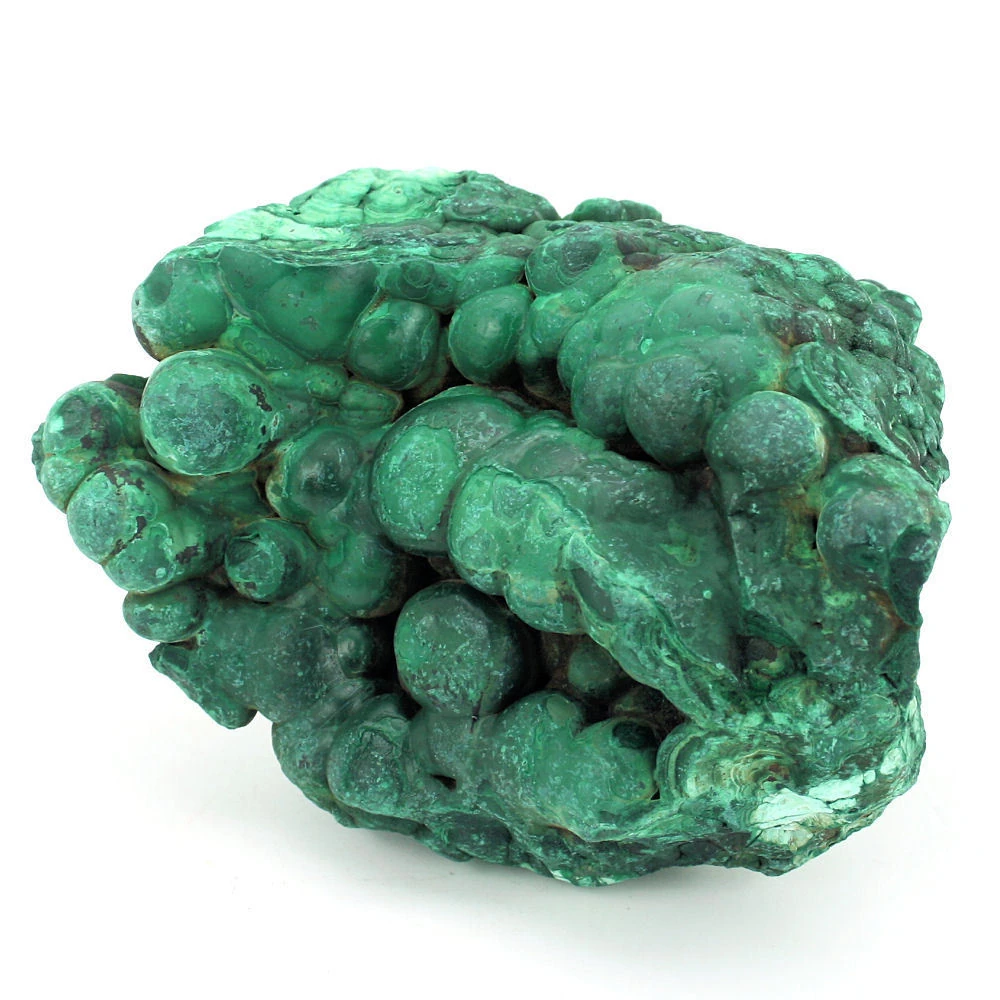
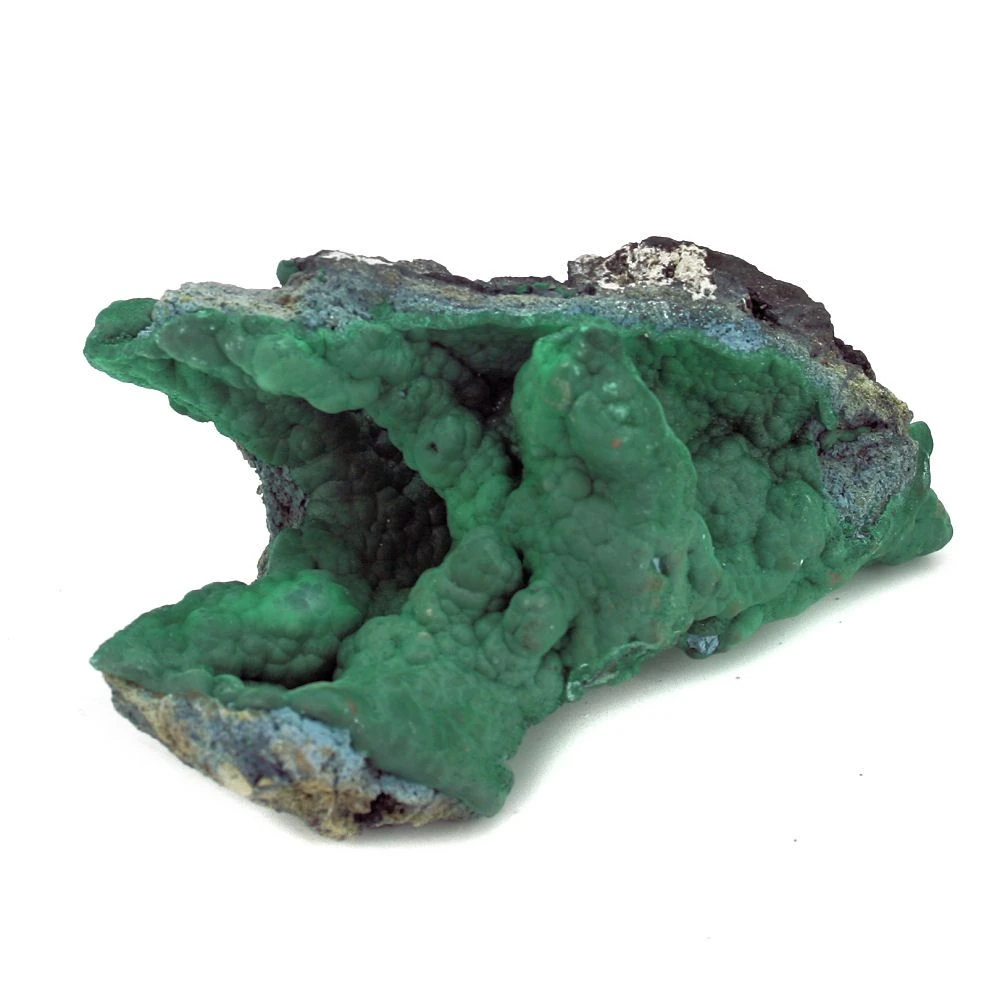
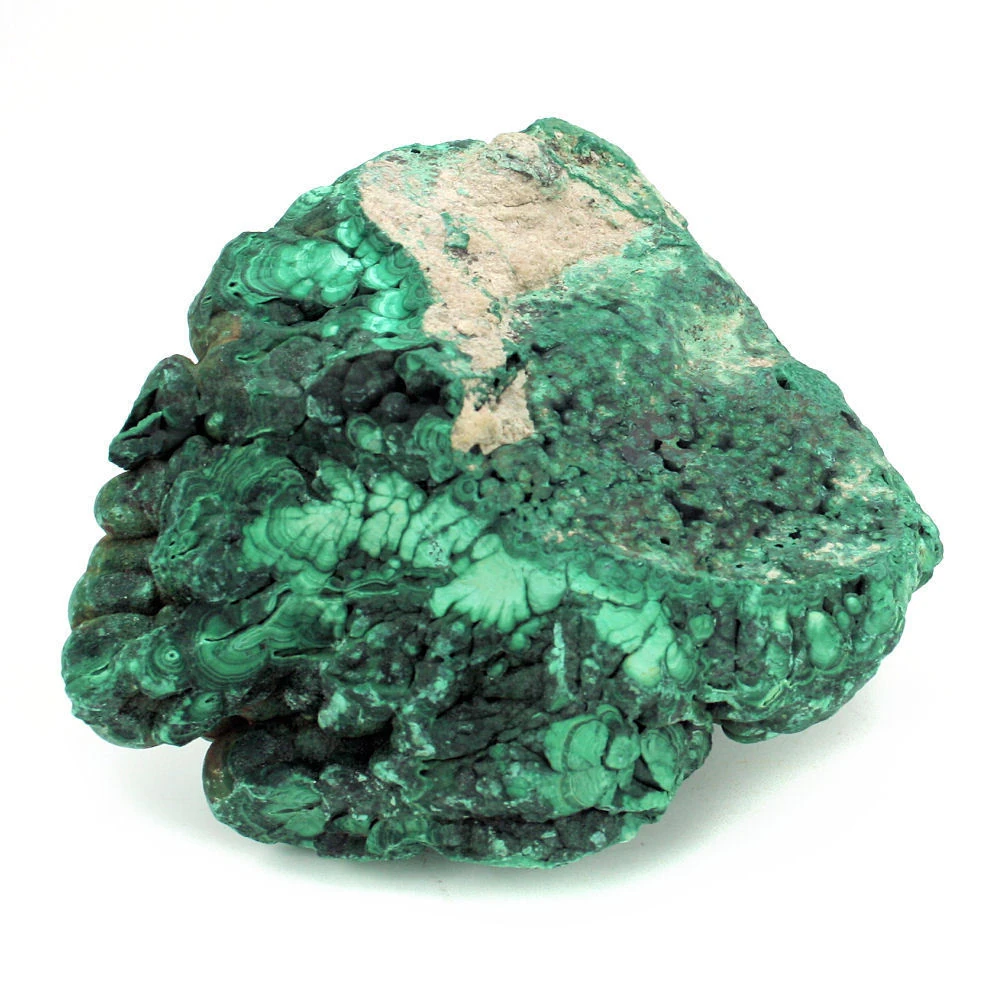
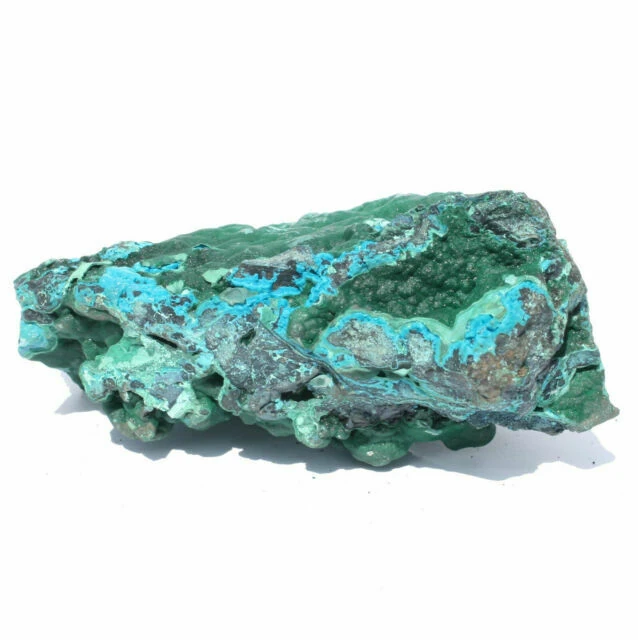
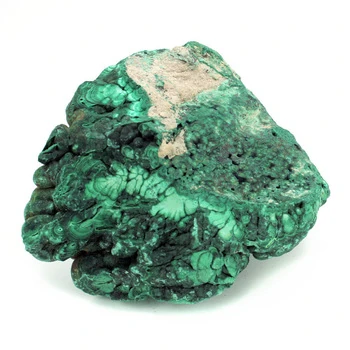
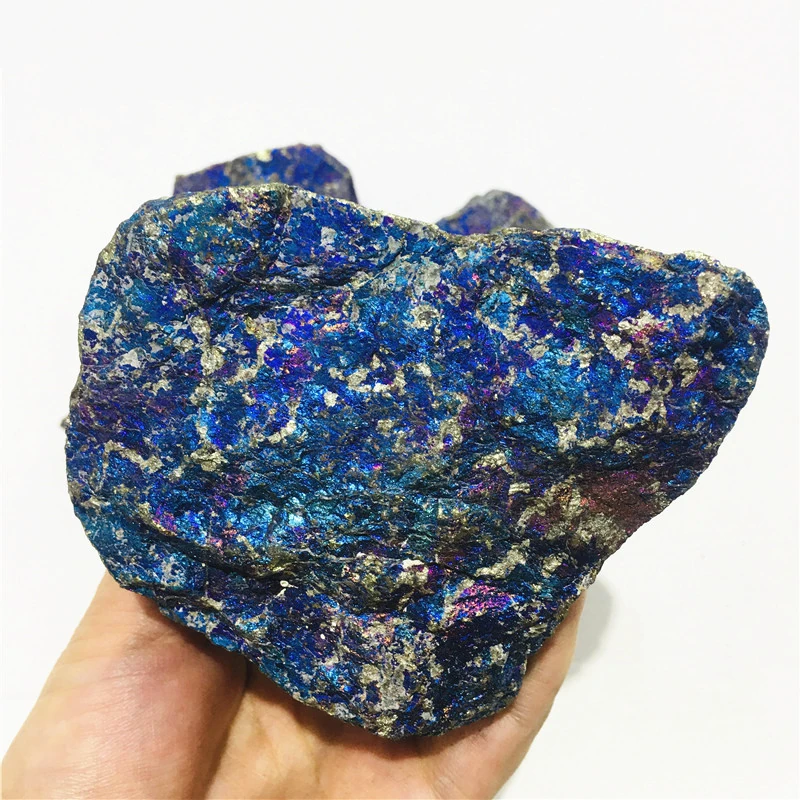
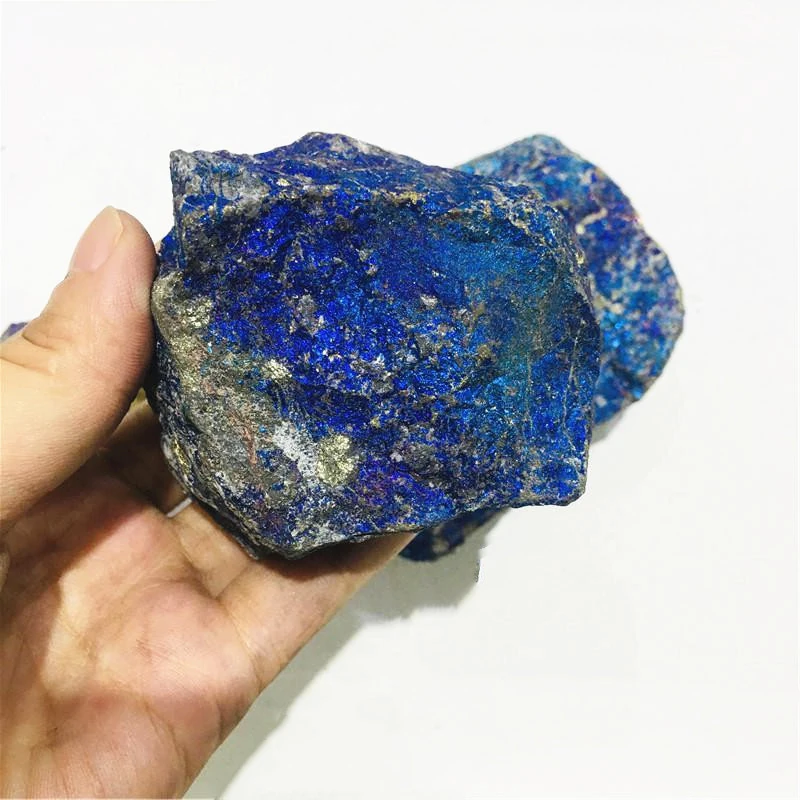
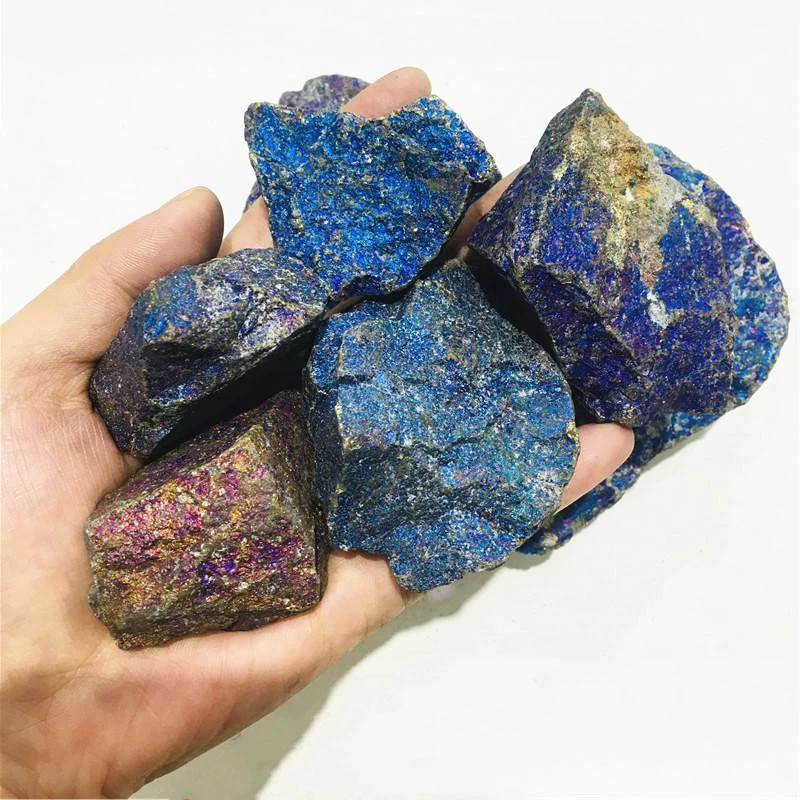
These client-supplied images show mineral specimens rather than verified flotation concentrate. Colour and appearance cannot establish mineral identity, Cu percentage, recoverability or stock availability. Request the actual offered-lot photographs and assay separately.


Bulk purchase & export guide: what your RFQ must define
- Buyer and process: company, receiving plant, intended feed route, required ore or concentrate form and technical acceptance specification.
- Quantity and chemistry: target WMT or DMT, dry-basis Cu, moisture limit, impurity limits, possible by-products and sampling requirements. Availability is confirmed per lot.
- Settlement: benchmark, quotational period, payables, TC/RC, penalties, provisional and final invoicing, umpire assay and payment instrument under a signed contract.
- Transport: name the destination seaport or plant and Incoterm. Review packaging, cargo classification, moisture/TML where applicable, import rules and carrier acceptance. Airport codes are not bulk-route commitments.
- Buyer markets: Souq Ore receives qualified enquiries across GCC markets, Jordan, the United States and Asia. Each copper shipment requires its own lawful origin, port, receiving facility and destination review.
- Claims and release: agree weight and assay differences, rejection triggers, documentary handover and claim deadlines. Do not assume retail return terms govern a bulk mineral contract.
PRODUCT INQUIRY
Inquire about this item
Copper ore & concentrate
TEST CONTROL
From lot identity to buyer acceptance.
- 01
Qualify the lot
Verify supplier, mine origin, custody and the buyer's processing requirements before comparing grades or prices.
- 02
Sample & weigh
Agree lot-wide increments, sealed assay splits, separate moisture samples and wet-weight records.
- 03
Assay & reconcile
Report Cu and agreed associated elements. Resolve differences through the contracted retained-sample and umpire process.
- 04
Contract & ship
Fix payables, deductions, cargo safety, packing, Incoterm, port and release conditions for the actual shipment.
LOT FILE
Expected transaction records
- Lot specification and mine/export-origin evidence
- Representative sampling, sealed splits and chain-of-custody records
- Cu, impurity and payable-by-product assay report
- Wet weight, moisture and dry-weight reconciliation
- Cargo safety, moisture and TML evidence where applicable
- Commercial invoice, packing and shipment documents when issued
Documents are released only when they exist for the identified lot and only to qualified parties through the secure channel.
DIRECT TECHNICAL ANSWERS
Buyer FAQs
What is copper ore concentrate?
Copper ore is mineralized rock; concentrate is a beneficiated mineral feed enriched in copper-bearing minerals. Neither is refined copper cathode. Souq Ore asks buyers to specify the actual feed form and processing route before assessing a sourcing enquiry.
How much is 1 kilogram of copper ore concentrate worth?
There is no universal price per kilogram. Copper assay, moisture, payable deductions, a dated metal benchmark, TC/RC, penalties, by-product credits and delivery terms determine the quote. The USD 2.185 per wet kg example below is hypothetical arithmetic, not a current Souq Ore offer.
Is copper concentrate the same as Millberry copper scrap?
No. Concentrate contains copper-bearing minerals and requires a compatible extraction route. Millberry is a commercial bare-wire scrap description. Their copper content, inspection, recovery and settlement methods differ.
Does green or blue rock prove copper grade?
No. Colour can support a mineralogical observation but cannot establish total copper, recoverability or a whole lot's grade. The uploaded photographs are reference specimens, not certificates of analysis or proof of current inventory.
What copper percentage does Souq Ore guarantee?
No permanent grade is guaranteed on this page. A copper percentage, impurity limit and assay tolerance must apply to an identified lot and be supported by the agreed independent testing and signed contract.
What are TC and RC in concentrate trading?
TC means treatment charge and RC means refining charge. Contracts may quote TC per dry tonne of concentrate and RC per unit of payable copper. Units, rates, floors and price adjustments are negotiated; there is no universal deduction.
Why do moisture and TML matter?
Moisture changes payable dry mass. For applicable solid-bulk mineral concentrates, excess moisture can also create a liquefaction hazard. TML is the tested transportable moisture limit for the cargo, not a universal commercial moisture percentage.
Who buys bulk copper concentrate?
Compatible smelters, mineral processors and qualified traders supplying industrial plants are the principal buyer groups. A cable manufacturer normally purchases refined copper or suitable scrap, not untreated concentrate, unless it operates a compatible upstream process.
How and where can I purchase bulk copper ore concentrate?
Submit a corporate RFQ to Souq Ore with feed form, target quantity, Cu specification, impurities, destination port and inspection terms. Souq Ore assesses lot-specific sourcing, evidence and commercial terms. Confirm availability and obtain a signed offer before arranging payment or freight.
Can bulk concentrate use the airport gateways listed elsewhere?
Airport codes describe Souq Ore's broader buyer markets, not a confirmed bulk-concentrate route. Bulk copper enquiries must name an appropriate seaport or receiving facility. Shipment mode, permits and destination acceptance are reviewed for the actual material.
Are gold and silver always payable in copper concentrate?
No. By-product credits require an accepted assay and contract terms for thresholds, deductions, payable fractions and refining charges. The presence of a trace element does not automatically create commercial value.
What are the minimum order and monthly export capacity?
Neither is permanently advertised here. Order size, available tonnage, sample access, loading window, Incoterm and payment conditions are confirmed in the specific written offer after buyer qualification.
OTHER COMMODITIES