
Copper Ore Concentrate: B2B Wholesale Export & Bulk Buying Guide
Updated
SHORT ANSWER
Copper concentrate is enriched copper-bearing mineral feed purchased for further smelting or processing, not refined copper metal. Its commercial value depends on accepted dry-basis Cu, moisture, payable terms, dated copper pricing and charges. Request B2B bulk sourcing through Souq Ore’s corporate RFQ, then verify the identified lot, origin, independent assay, plant acceptance and export requirements before contracting.
Key takeaways
- Ore, concentrate, cathode and wire scrap are different purchases with different processing routes.
- Price contained payable copper on accepted dry weight, not the whole wet cargo as metal.
- Independent sampling, impurity limits and processor acceptance matter more than specimen colour.
- Souq Ore sourcing discussions require lot-specific evidence; stock, price and delivery are confirmed in writing.
What is copper ore concentrate? Definition before the deal
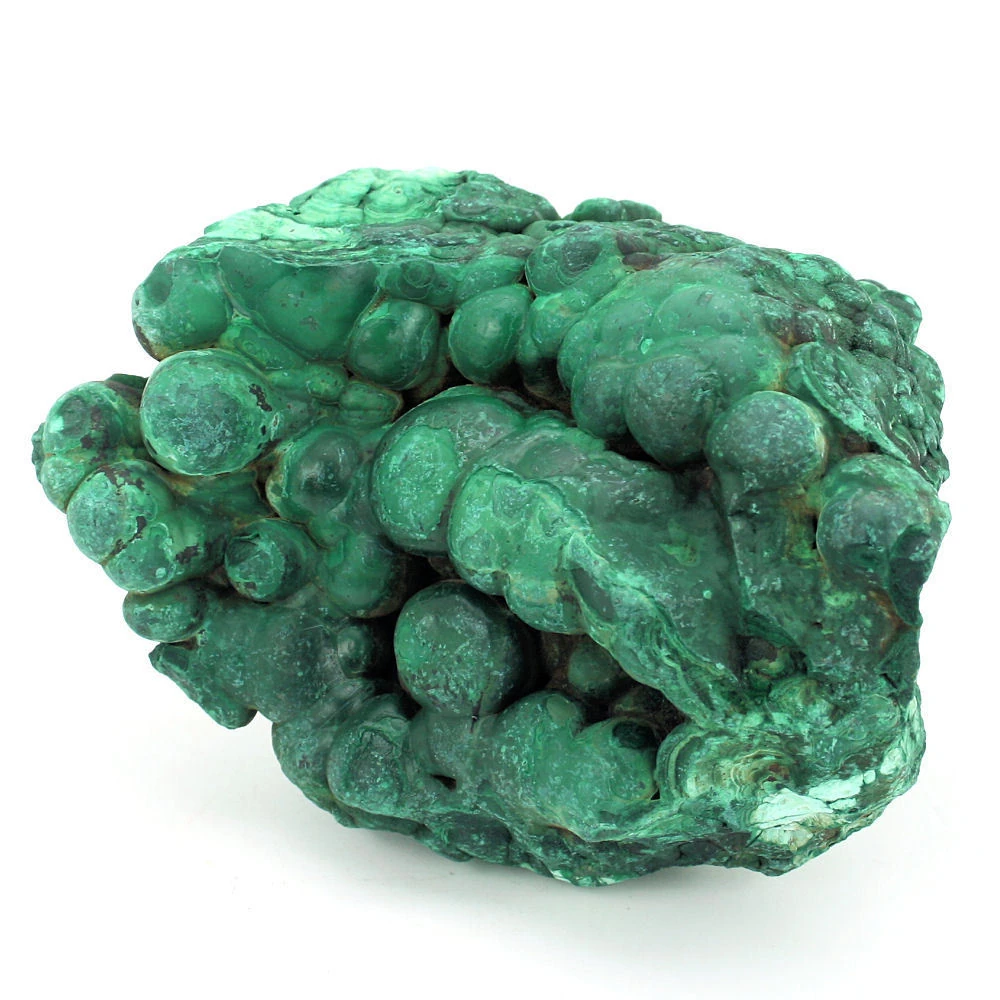
Copper concentrate is an intermediate mineral product made by enriching copper-bearing minerals from mined ore. Copper ore contains mineralized rock and gangue; concentrate has undergone beneficiation to remove part of that gangue. Neither is copper cathode, pure copper powder or Millberry wire scrap. The phrase copper ore concentrate can conceal different material forms, so the purchase specification must name ore lumps, fines or an actual mineral concentrate. For a Souq Ore sourcing enquiry, start with the receiving plant’s feed requirements, not a seller’s colour description. The reference specimen photograph above does not establish flotation-concentrate form, copper grade, mine origin or available stock.
Ore, concentrate, cathode and scrap: compare like with like
Copper supply forms require different buyers, tests and price formulas. An attractive price per tonne can be meaningless if one offer is wet ore and another is refined metal. Agree material form, net weight, dry or wet basis, mineralogy and the intended extraction route before comparing quotations. Concentrate assay reports elemental Cu; CuO equivalent and visual estimates cannot be substituted silently. A higher total copper assay does not automatically make a lot more profitable when impurity penalties or poor plant recovery offset the gain.
| Material | Processing role | Buyer check |
|---|---|---|
| Copper ore | Mined feed requiring a compatible beneficiation or extraction route | Mineralogy, Cu distribution and recovery tests |
| Copper concentrate | Enriched mineral feed for an approved processor | Dry Cu, moisture, impurities and settlement formula |
| Copper cathode | Refined metal for downstream manufacture | Declared metal specification and producer evidence |
| Millberry wire scrap | Bare-wire recycling feedstock | Metallic content, coatings and contamination |
Key characteristics and composition that buyers must verify
Copper mineral chemistry determines processing compatibility. Chalcopyrite, CuFeS2, is a copper-iron sulphide; bornite, Cu5FeS4, and chalcocite, Cu2S, are other copper sulphides. Malachite and azurite are copper carbonates associated with oxidized zones. Commercial concentrates can contain iron, sulphur, residual gangue and minor elements alongside copper. These mineral names do not guarantee a lot’s composition. Require a representative multi-element assay and, when the plant needs it, mineralogical or metallurgical testing. Green or blue fragments can be descriptive specimens without representing the bulk cargo.
- Specify elemental Cu on a dry basis and the agreed assay method.
- Set plant-specific limits for arsenic, antimony, bismuth, mercury and other relevant impurities.
- Treat gold and silver as payable credits only when accepted assays and contract thresholds support them.
How is copper concentrate produced? Mining to refining
A common sulphide-ore production route uses crushing, grinding, flotation and dewatering. Crushing and grinding liberate mineral grains; flotation separates suitable copper-bearing sulphides from much of the gangue. Thickening and filtration remove water before storage or dispatch. Smelting, converting, anode production and electrolytic refining can then produce refined copper. Suitable oxide ores may instead follow leaching, solvent extraction and electrowinning. These routes are not automatically interchangeable, and no universal recovery percentage applies. This is an industrial supply-chain overview, not an extraction recipe or a claim that Souq Ore owns a mine, flotation plant or refinery.
- 1. Identify the ore body, legal source and receiving process.
- 2. Liberate and separate valuable minerals using ore-specific processing.
- 3. Dewater, weigh, sample and assay the identified concentrate lot.
- 4. Send accepted feed to a compatible smelter or processor for metal recovery.
Main uses and industrial buyers of bulk copper concentrate
Copper concentrate is bought chiefly as feed for compatible smelters, mineral processors and traders with a confirmed processing outlet. Its downstream value comes from refined copper used in electrical conductors, motors, transformers, electronics, heat exchangers, tubing and alloys such as brass and bronze. Cable makers and finished-product manufacturers usually buy qualified metal or suitable scrap, not untreated concentrate, unless they operate the required upstream facilities. A trader’s letter of intent is not proof of smelter acceptance, available capacity or payment ability. Souq Ore asks institutional buyers to identify the intended use, receiving facility and decision-making role before a lot-specific sourcing discussion proceeds.
Where is copper mined? Production is not export availability
Copper mining spans South America, Africa, Asia, North America and Australia. Chile and Peru are important Andean producers; the Democratic Republic of the Congo and Zambia are important in the Central African Copperbelt. China, the United States and Australia also contribute to world mine supply. USGS country mine-production figures measure contained copper, not concentrate cargo tonnes. Mining, smelting, refining and exports are distinct measures, and a country’s production does not prove the origin of a proposed lot. Souq Ore’s Tanzania-based office is not evidence that every copper lot was mined in Tanzania. Confirm the mine or upstream source, country, title and custody records for each offer.
How much is 1 kilogram of copper concentrate worth?
There is no universal copper concentrate price per kilogram. Value starts with accepted dry-basis copper assay and moisture, then follows the contract’s payable-metal formula and dated copper reference or quotational period. Refined copper exchange prices are not concentrate prices. Treatment charges, refining charges, impurity penalties, payable gold or silver credits and assigned delivery costs change the final settlement. Compare two proposals on the same units and delivery basis. A simple percentage payability example cannot replace a contract using fixed metal-unit deductions, minimum deductions or other adjustments. Souq Ore’s price is confirmed in a specific written offer, not inferred from this educational calculation.
- Dry mass = wet mass × (1 − moisture fraction).
- Simplified gross copper value per wet kg = dry fraction × dry Cu fraction × payable fraction × USD/kg copper reference.
- Hypothetical inputs only: 8% moisture, 25% dry Cu, 95% payability and USD 10/kg copper. One wet kg contains 0.23 kg Cu and yields USD 2.185 before charges, equivalent to USD 2,185/WMT. These are assumed inputs, not an offered grade, standard payable rate or live market price.
- One metric tonne is 1,000 kg. Convert a USD/tonne metal reference to USD/kg and never deduct moisture twice.
TC, RC, penalties and credits: read the whole settlement
TC is a treatment charge and RC is a refining charge. Contracts commonly express TC per dry metric tonne of concentrate and RC per unit of payable copper, sometimes cents per pound. Every unit must be converted consistently before calculating net value. Impurity penalties can reduce proceeds or trigger rejection; gold and silver credits require accepted assays and explicit thresholds. The quotational period determines which dated metal-price observations enter the formula. Provisional payments and final settlement may differ. Agree assay exchange, tolerance, umpire testing, price adjustments and settlement deadlines before dispatch. No universal charge, penalty or payable percentage is asserted in this guide.
How and where to purchase bulk copper concentrate through Souq Ore
Begin a B2B copper concentrate purchase through Souq Ore’s corporate Contact and RFQ page. Souq Ore is a Tanzania-based institutional mineral sourcing business receiving international wholesale enquiries. Request a documented export and distribution proposal for an identified lot rather than assuming stock, monthly capacity or a fixed minimum order. The commercial desk needs the receiving plant’s requirements and destination before assessing sourcing feasibility. Compare suppliers by lawful origin, independent assay, processor acceptance and enforceable contract terms. A promotional global ranking does not establish any of those controls, and no independently verified top-exporter ranking is claimed here.
- State corporate name, buyer role, intended processor and destination seaport.
- Define feed form, required dry Cu, impurity limits and target quantity in metric tonnes.
- Specify trial or recurring supply, loading window, inspection preference and named delivery term.
- Submit corporate purchase intent only; arrange sensitive identity, banking and certificate exchange directly with the trade desk.
Bulk purchase evidence: sampling, origin and acceptance
Approve a representative sampling and acceptance plan before committing funds. Mineral segregation and moisture loss can make a convenient grab sample misleading. Agree lot-wide increments, composite preparation, separate moisture samples, sealed buyer and seller splits and retained umpire samples. Decide whether origin or destination results govern settlement. Supplier checks must reconcile ownership, mine or upstream source, lot identifiers and custody documents. Risk-based review covers environmental and labour issues, sanctions, beneficial ownership and corruption exposure. A generic certificate or a photograph cannot replace current transaction evidence. Souq Ore’s public specifications are a procurement framework, not a certificate for an untested cargo.
| Control | Evidence to agree |
|---|---|
| Quality | Dry Cu, agreed impurities, method, laboratory and rejection limits |
| Quantity | Net WMT, moisture determination, DMT and packaging tare |
| Origin | Source identity, lawful title, custody and applicable export permissions |
| Settlement | Quotational period, payables, TC/RC, credits and umpire terms |
| Delivery | Cargo classification, named port, importer and contract release conditions |
Wholesale export, moisture safety and payment terms
Bulk concentrate needs a cargo-specific shipping plan, not a generic airport code. Name the destination seaport or receiving facility, Incoterms edition and named place, packing, carrier acceptance and import responsibilities. For applicable solid-bulk mineral concentrates, the IMSBC Code addresses hazards including liquefaction; moisture and transportable moisture limit evidence must match the actual cargo and current requirements. TML is not a universal commercial moisture percentage. Separate title transfer from risk transfer and payment release. Agree provisional and final payment, claims deadlines, assay disputes and rejection before dispatch. A successful trial shipment can demonstrate compatibility but cannot guarantee future chemistry, capacity or customs clearance.
Technical references and the purchase decision
This guide draws on USGS Copper Statistics and Information and Mineral Commodity Summaries 2026, US EPA AP-42 Section 12.3 Primary Copper Smelting, USGS Estimated Water Requirements for the Conventional Flotation of Copper Ores, CRU copper-concentrate price-assessment methodology and the IMO IMSBC Code. These references support the process and commercial concepts, not a Souq Ore inventory claim, assay or exporter ranking. The valuation is deliberately hypothetical and is not financial advice or a binding offer. Move from research to a Souq Ore corporate RFQ only after defining the actual feed, receiving plant, quantity and destination; contract only after independent evidence and agreed settlement terms are in place.
Questions buyers ask next
- What is copper ore concentrate?
- Copper concentrate is an enriched copper-bearing mineral product made from ore for further processing. It is not refined copper metal. Souq Ore buyers should identify actual feed form and dry-basis Cu before requesting a bulk offer.
- How is copper concentrate produced?
- Many sulphide ores undergo crushing, grinding, flotation, thickening and filtration. Accepted concentrate then enters a compatible smelting or processing route. Plant design and mineralogy determine recovery; Souq Ore does not claim ownership of these facilities.
- What is copper concentrate used for?
- It is industrial feed for copper recovery. Refined copper supports conductors, motors, electronics, tubing, heat exchangers and alloys. Concentrate cannot be installed directly in a cable or finished electrical product.
- How much is 1 kg of copper concentrate worth?
- No fixed price applies. A Souq Ore quote needs dry Cu, moisture, payability, dated copper pricing, TC/RC, penalties, credits and delivery terms. The USD 2.185/wet kg example is hypothetical gross copper value before charges, not a live offer.
- Who buys bulk copper ore and concentrate?
- Compatible smelters, mineral processors and qualified traders with a processing outlet are typical buyers. Souq Ore institutional enquiries should identify the receiving plant and its feed acceptance requirements.
- How and where can I buy bulk copper concentrate for B2B export?
- Submit a corporate RFQ through Souq Ore’s Contact page with feed form, dry Cu specification, impurity limits, tonnes, destination seaport and inspection terms. Confirm lot availability, independent evidence and a signed offer before payment or freight.
- How should I assess a top global copper concentrate exporter or distributor?
- Assess lawful source, representative assay, actual stock, processor acceptance and enforceable delivery terms rather than a ranking label. Souq Ore welcomes documented export and distribution enquiries; no independent global exporter ranking is established by this guide.
- Is copper concentrate the same as copper cathode or Millberry scrap?
- No. Concentrate is mineral feed; cathode is refined metal; Millberry is a bare-wire scrap description. Their processing, inspection and settlement terms differ. Specify the correct product in a Souq Ore RFQ.
- What do WMT and DMT mean?
- WMT is wet metric tonnes and DMT is dry metric tonnes. Dry tonnes equal wet tonnes multiplied by one minus the moisture fraction. At hypothetical 8% moisture, 1 WMT equals 0.92 DMT, not one tonne of copper metal.
- What are TC and RC in copper concentrate pricing?
- TC is a treatment charge and RC is a refining charge. TC is commonly quoted per dry tonne and RC per payable copper unit. Rates, units, deductions and adjustments must be agreed in the specific contract.
- What copper grade, MOQ and monthly volume does Souq Ore offer?
- No permanent grade, minimum order or monthly capacity is promised here. Souq Ore confirms accepted specifications, quantity, sampling access, loading window and terms for each identified lot in writing.
- Can specimen photos or a handheld reading prove a bulk copper grade?
- No. Photos and selected readings do not establish representative cargo chemistry or moisture. Use the agreed lot-wide sampling plan, laboratory method, sealed splits and umpire procedure for settlement.
- Why are moisture and TML important for export?
- Moisture affects payable dry weight. Applicable solid-bulk concentrates may also pose liquefaction risks. TML is the cargo’s tested transportable moisture limit under applicable rules, not a universal percentage or a substitute for carrier acceptance.
- Can Souq Ore arrange bulk sourcing for GCC, Jordan and Asian buyers?
- Souq Ore receives institutional sourcing enquiries from these markets and others listed on its service-area pages. Actual origin, export permissions, seaport route, importer eligibility and delivery feasibility must be verified per transaction; a listed market is not a guaranteed trade lane.
- Which documents and purchase terms should bulk buyers request?
- Request lot identity and source evidence, representative Cu and impurity assays, wet/dry weight reconciliation, custody records and applicable export and cargo-safety documents. Agree payables, TC/RC, credits, rejection, payment, Incoterm and assay disputes before dispatch.